
The five most common home window tinting mistakes are choosing film that is not rated for your glass, judging tint by darkness instead of heat rejection, ignoring window and film warranties, attempting a DIY install on large or dual-pane windows, and cleaning the film before it cures. Each one can lead to cracked glass, foggy seals, bubbling film, or money spent on tint that never delivers the comfort you wanted.
Superior Window Solutions has been tinting windows in San Diego since 1998, and most of these mistakes are exactly what a professional home visit is designed to catch. The company installs residential films for heat reduction, UV protection, glare control, privacy, decorative styling, and security, with both standard and ceramic options. San Diego homeowners can book a free consultation, where the team reviews each window and recommends the right tint strength before applying any film.
Quick Takeaways
- Dual-pane and low-E windows need film approved for that glass. The wrong high absorption film can cause thermal stress cracks or seal failure.
- A lighter ceramic or spectrally selective film can reject meaningful heat without darkening your rooms.
- Read your window manufacturer’s warranty and the film warranty before anything is installed.
- Automotive tint is designed for tempered car glass and does not belong on residential windows.
- New film needs roughly 30 days to cure, so skip cleaning and harsh products until it finishes.
- Superior Window Solutions offers free consultations and quotes for home window tinting across San Diego County.
What Are the Most Common Home Window Tinting Mistakes?
Most home window tinting problems trace back to five decisions: the wrong film for the glass, the wrong shade for the room, unread warranties, DIY installs that go beyond a homeowner’s tools and experience, and poor aftercare. Window film looks simple on the shelf, but its real performance depends on glass construction, sun exposure, adhesive chemistry, and installation technique.
Here is a quick overview before we look at each one in detail.
| Mistake | What Can Go Wrong | How to Avoid It |
|---|---|---|
| Wrong film for your glass type | Thermal stress cracks, failed seals, foggy dual pane units | Match film to glass using the manufacturer’s film-to-glass chart |
| Choosing by darkness alone | Dim rooms, weak heat control, reversed privacy at night | Compare heat rejection, UV blocking, and visible light together |
| Ignoring warranties | Voided window coverage, unpaid glass replacement | Read both warranties and ask about glass breakage coverage |
| DIY on complex windows | Trapped dust, creases, uneven edges, wrong product | Hire a pro for large panes, sliders, and dual pane glass |
| Cleaning too soon | Lifted edges, scratches, cloudy patches | Wait about 30 days and use soft, non-abrasive cleaning tools |
Why Does Glass Type Matter Before Tinting Home Windows?
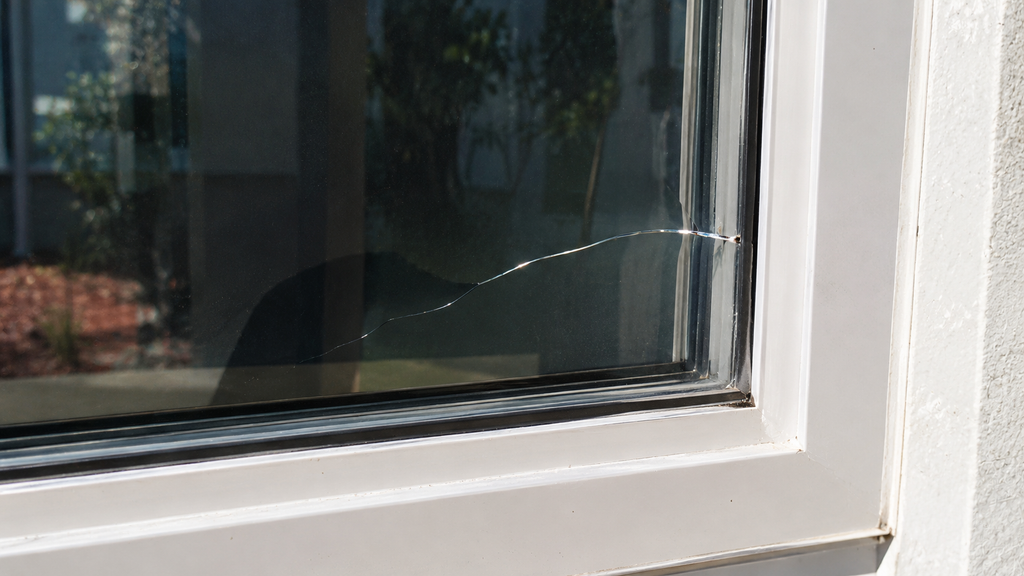
Glass type matters because window film absorbs some solar energy, which heats the glass. On dual-pane insulated units, low-E glass, or large annealed panes, a high-absorption film can heat the center of the pane while the edges stay cool inside the frame. That uneven expansion is called thermal stress, and it can crack glass or break the seal between panes.
Most modern homes have dual-pane windows: two sheets of glass sealed around a pocket of air or gas. If a dark, heat-absorbing film makes the inside pane expand much faster than the outer one, it can crack the glass from the edge or fail the seal, leaving the window permanently foggy.
The International Window Film Association recommends avoiding solar film on certain glass, including clear annealed glass thicker than three-eighths of an inch and tinted annealed glass thicker than a quarter inch, because the extra heat absorption can push that glass past its limit. Reputable film manufacturers publish film-to-glass compatibility charts that show which products are approved for single pane, double pane, low-E, and tinted glass.
A qualified installer looks at more than the glass itself. Window size, how the glass was manufactured, frame type, and which direction the window faces all affect thermal stress risk. Security and decorative films block relatively little heat, so they usually add very little stress. Solar control film matters most when you match it carefully.
Is Darker Window Tint Always Better for a Home?
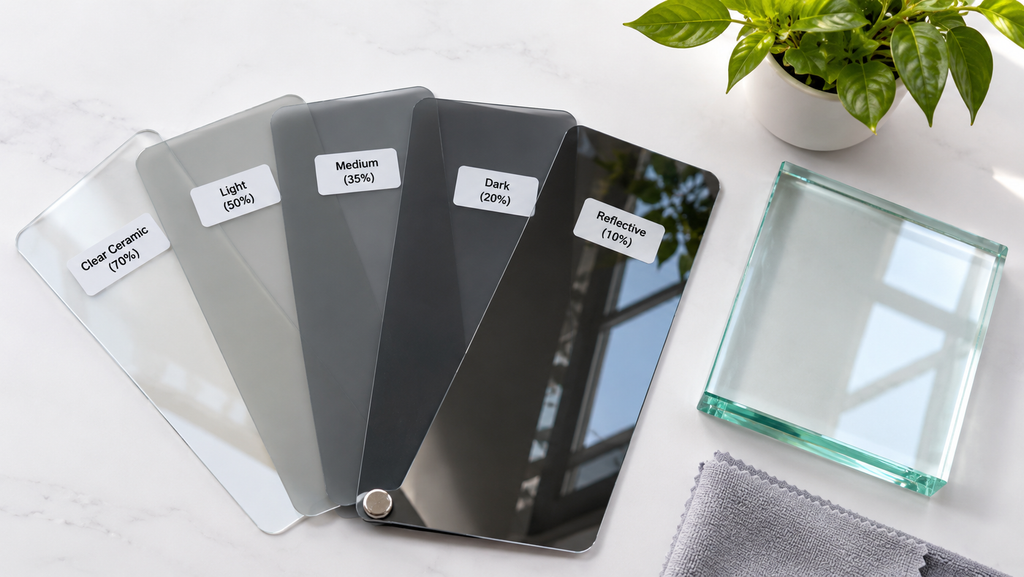
No. Darker tint is not automatically better for a home. Darkness measures how much visible light passes through, while comfort depends on how much total solar energy the film rejects. Modern ceramic and spectrally selective films can stay fairly light and still block substantial heat and nearly all UV, while very dark films absorb more heat into the glass and dim your rooms.
Which Numbers Should You Compare?
When reviewing film options, ask for these three figures side by side:
- Visible light transmission: the percentage of daylight that passes through. Lower numbers mean darker glass.
- Total solar energy rejected: how much of the sun’s total energy the film keeps out. This is the best single indicator of heat control.
- UV rejection: most quality residential films block up to 99 percent of ultraviolet rays, which protects floors, rugs, furniture, and artwork from fading.
A film with a moderate visible light number and strong total solar energy rejection often outperforms a darker film that simply cuts light. That matters in San Diego homes, where people usually want ocean light and indoor brightness, not a cave effect.
What About Privacy at Night?
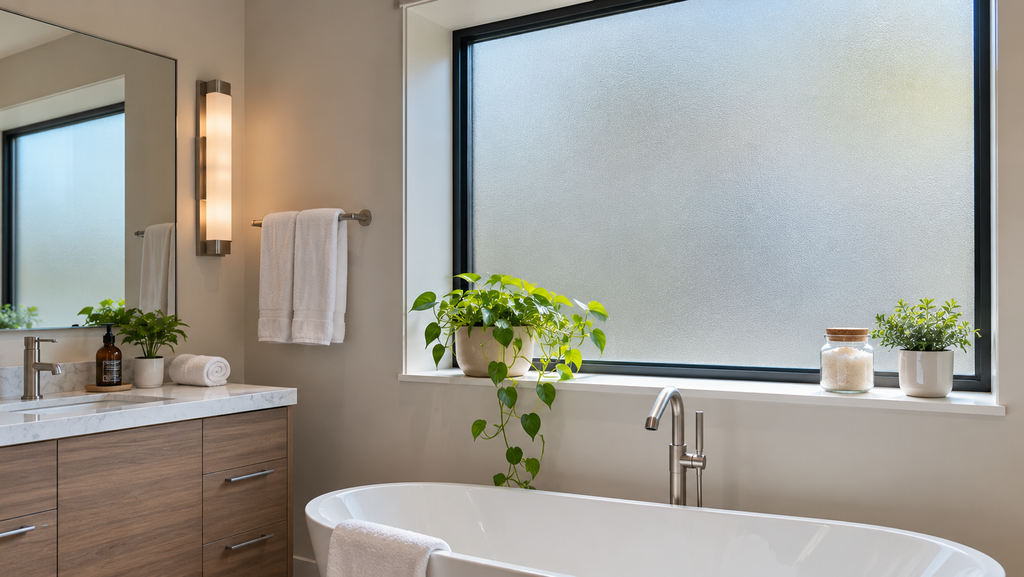
Reflective films create daytime privacy because the outside is brighter than the inside. After sunset, when your interior lights are on, that effect reverses, and people outside can see in more easily. If you need privacy around the clock, such as in a bathroom or a street-facing bedroom, a frosted or decorative privacy film is usually the better choice.
Can Window Tint Void Your Window Warranty?
Yes, it can. Some window manufacturers void or limit glass and seal coverage when aftermarket film is applied, especially film that is not approved for that glass. Many quality film manufacturers offset this risk with glass breakage and seal-failure coverage for approved film-and-glass combinations, but terms vary widely and often depend on professional installation.
Before you tint, check your window paperwork for language about aftermarket film or applied products. Then review the film side. A strong residential film package usually includes two layers of protection: a product warranty covering defects such as bubbling, peeling, fading, cracking, and delamination, plus an installer warranty covering the workmanship. Some manufacturers also cover thermal stress breakage, but only when the film and glass appear together on their approved chart, and some cap the reimbursement per window.
Use this checklist when comparing quotes:
- Does the film warranty cover bubbling, peeling, fading, and adhesive failure?
- Is there coverage for glass breakage or seal failure caused by thermal stress?
- How long does the installer’s labor warranty last?
- Will the installer help preserve or match your existing glass warranty?
- Is the warranty transferable if you sell your home?
Should You DIY Home Window Tinting or Hire a Professional?
DIY film can work for a small single pane window or a simple decorative or privacy project. For large panes, dual pane or low E glass, sliding doors, or whole home heat control, a professional installer is usually the safer choice, because film selection, edge spacing, contamination control, and warranty eligibility all depend on experience.
The most common DIY problems are dust and hair trapped under the film, creases from handling large sheets, and uneven edges that start lifting within months. Another frequent error is buying automotive tint for a house. Car windows use tempered glass that handles heat very differently from typical residential glass, so a product designed for a sedan can create real thermal stress on a home window.
| Factor | DIY Window Film | Professional Installation |
|---|---|---|
| Upfront cost | Lowest | Higher, but includes labor and expertise |
| Best for | Small panes, decorative or privacy film | Large panes, dual pane glass, whole home projects |
| Film quality | Retail grade options | Professional grade films matched to your glass |
| Finish | Varies with skill and conditions | Clean edges and controlled contamination |
| Warranty | Product only, often limited | Product plus labor, sometimes glass coverage |
How Should You Care for Newly Tinted Home Windows?
Leave newly tinted windows alone while the film cures, which typically takes around 30 days and can take longer in cool or humid weather. Small water pockets or a slightly hazy look are normal during this time. After curing, clean with a soft cloth and a mild, non abrasive solution, and never use razor blades or scrub brushes on the film.
Installers spray a mounting solution between film and glass to position each sheet, and some of that moisture slowly evaporates afterward. Wiping or pressing the film before it dries can shift the adhesive and leave permanent marks. Some manufacturers also ask you to keep operable windows closed for a couple of days. Once the film has cured, follow your manufacturer’s cleaning guidance closely. Brands differ on whether ammonia based cleaners are acceptable, so check before reaching for a standard glass spray. Soft microfiber cloths and a rubber squeegee are safe choices for nearly every film.
Which Window Film Is Best for Each Room in Your Home?
The best window film depends on what each room needs. Sun facing living areas benefit most from heat rejecting ceramic film, home offices need glare control, bathrooms need full time privacy, and rooms with hardwood floors or artwork need strong UV protection. Choosing one film for the whole house is a common and avoidable mistake.
| Situation | Recommended Approach |
|---|---|
| West or south facing living room | Ceramic or spectrally selective film for strong heat rejection with good daylight |
| Home office or TV room | Glare reduction film sized to cut screen reflections without darkening the space |
| Bathroom or street facing bedroom | Frosted or decorative privacy film that works day and night |
| Rooms with hardwood floors, rugs, or art | High UV rejection film to slow fading |
| Ground floor windows and sliding doors | Safety and security film that helps hold broken glass together |
| Dual pane or low E windows | Film specifically approved for that glass on the manufacturer’s chart |
Why Choose Superior Window Solutions for Home Window Tinting in San Diego?
Superior Window Solutions is a San Diego window film company that has served homeowners since 1998. It installs residential films for heat reduction, UV protection, glare control, privacy, decorative styling, anti graffiti protection, and security, and it offers free consultations so each window gets the right film and tint strength.
Located at 7960 Silverton Ave, Suite 122, in San Diego’s Miramar area, the company serves San Diego County, including communities such as La Jolla, Point Loma, and El Cajon. It is an ENERGY STAR partner and offers both standard and ceramic films, with ceramic recommended when stronger heat and glare reduction are the priority.
Its published warranty coverage addresses several mistakes covered in this guide. The company says it will replace film affected by bubbling, peeling, fading, cracking, color change, delamination, or adhesive failure, backs its installation work with a one year limited warranty, and can match existing glass warranties so homeowners keep those protections after tinting.
Reviewers on Angi describe the owner explaining options such as room darkening films and returning to fix an issue years after the original job, the kind of hands on guidance that keeps homeowners from guessing at a hardware store.
Frequently Asked Questions
How much does it cost to tint home windows?
Home window tinting cost depends on film type, glass area, and installation complexity. National 2026 estimates from This Old House range from about 5 to 45 dollars per square foot, with basic solar film at the low end and security or specialty films at the high end. A free on site quote gives the most accurate number for your home.
Does home window tint really lower energy bills?
Quality solar control film can reduce the heat entering through your windows, which means your air conditioner runs less on hot afternoons. Savings vary with climate, window orientation, glass area, and film choice. Homes with large west or south facing windows typically see the biggest comfort and energy improvement from heat rejecting film.
Can I see out of tinted home windows?
Yes. Residential window film is designed to keep views clear from inside during the day. Lighter ceramic films are barely noticeable, while darker or reflective films reduce brightness more. At night, reflective films can make it harder to see out and easier for others to see in when your interior lights are on.
Does window film stop furniture and floors from fading?
Window film greatly slows fading by blocking up to 99 percent of UV rays, a major cause of sun damage to wood floors, rugs, fabrics, and artwork. Visible light and heat also contribute to fading, so film reduces the problem significantly rather than eliminating it completely.
Is home window tinting worth it in San Diego?
For many San Diego homeowners, yes. Strong year round sun, large view windows, and coastal glare make heat, UV, and glare control valuable. Tinting is especially worthwhile for sun facing rooms, homes with valuable flooring or art, and households that want daytime privacy without blinds closed all day.
Ready to Tint Your Home Windows the Right Way?
The easiest way to avoid every mistake on this list is to have each window assessed before you buy film. Superior Window Solutions has helped San Diego homeowners choose and install residential window tinting since 1998, matching heat control, UV protection, privacy, and security films to the glass in each room. Consultations and quotes are free, the team checks tint strength during the home visit, and installations are backed by film and workmanship warranties. Call 877 484 6886 or visit superiorwindowsolutions.com to schedule your consultation.