

When managing a commercial property in San Diego or across Southern California, controlling heat, glare, and energy costs is a constant concern. Large glass surfaces may look modern and inviting, but they also allow significant amounts of solar heat and UV radiation to enter, affecting indoor comfort and operational costs.
Window films are a practical solution, offering a layer of protection without replacing existing glass. They help regulate temperature, improve privacy, and enhance the overall experience for employees and customers alike. However, not all films perform the same.
Two of the most commonly compared options are ceramic-based films and standard dyed or metalized alternatives. Each has its own advantages, limitations, and ideal use cases, depending on the building type, location, and business needs.
What Makes Ceramic-Based Films Different
Ceramic technology represents a newer generation of window film designed for high performance. Unlike traditional options, it uses non-metallic, non-conductive ceramic particles embedded in the film.
One of the standout benefits is heat rejection. These films are engineered to block a significant portion of infrared radiation, the primary source of heat buildup in commercial spaces. This makes them especially valuable in sunny climates like Southern California, where reducing indoor temperatures can directly lower cooling costs.
Another advantage is clarity. Ceramic films maintain excellent visibility both day and night. They do not create the mirrored or overly dark appearance that some older films produce, which is important for businesses that want to preserve natural light and maintain an open, welcoming environment.
They also do not interfere with electronic signals. Since they are non-metallic, they won’t disrupt Wi-Fi, mobile reception, or other wireless communications—something that matters in modern office environments.
Durability is another strong point. These films tend to resist fading, bubbling, and discoloration over time, making them a long-term investment for commercial properties.
How Traditional Window Films Compare

Standard window films, often dyed or metalized, have been used for decades and are typically more budget-friendly upfront. They still provide benefits such as glare reduction and a degree of heat control, making them a viable option for certain applications.
Dyed films work by absorbing solar heat, which can help reduce brightness and improve indoor comfort. However, because they absorb rather than reject heat, they may become less effective over time and can contribute to heat buildup within the glass itself.
Metalized films, on the other hand, reflect heat using tiny metallic particles. This can improve performance compared to dyed versions, but it often comes with trade-offs. The reflective appearance may not suit all commercial aesthetics, and signal interference can become an issue in buildings that rely heavily on wireless connectivity.
Additionally, traditional films may fade or degrade more quickly under constant sun exposure, particularly in regions with intense UV radiation, such as coastal and inland Southern California.
Performance Differences That Impact Your Business
When comparing these options, performance is where the differences become most noticeable. For commercial buildings, this goes beyond comfort—it directly affects operational efficiency and long-term costs.
Heat rejection is one of the biggest factors. Ceramic-based films typically outperform traditional alternatives by blocking a higher percentage of infrared heat. This means less reliance on air conditioning, especially during peak summer months.
Glare reduction is another consideration. Offices with large windows often struggle with screen visibility. Both types of films can help, but higher-end options tend to provide better balance without overly darkening the space.
UV protection is critical as well. Prolonged exposure to ultraviolet rays can fade furniture, flooring, and merchandise. While most films offer UV blocking, advanced materials generally provide more consistent protection over time.
Energy efficiency ties everything together. A more effective film can lead to noticeable savings on utility bills, particularly in larger commercial properties where cooling systems run constantly.
Choosing the Right Solution for Your Property
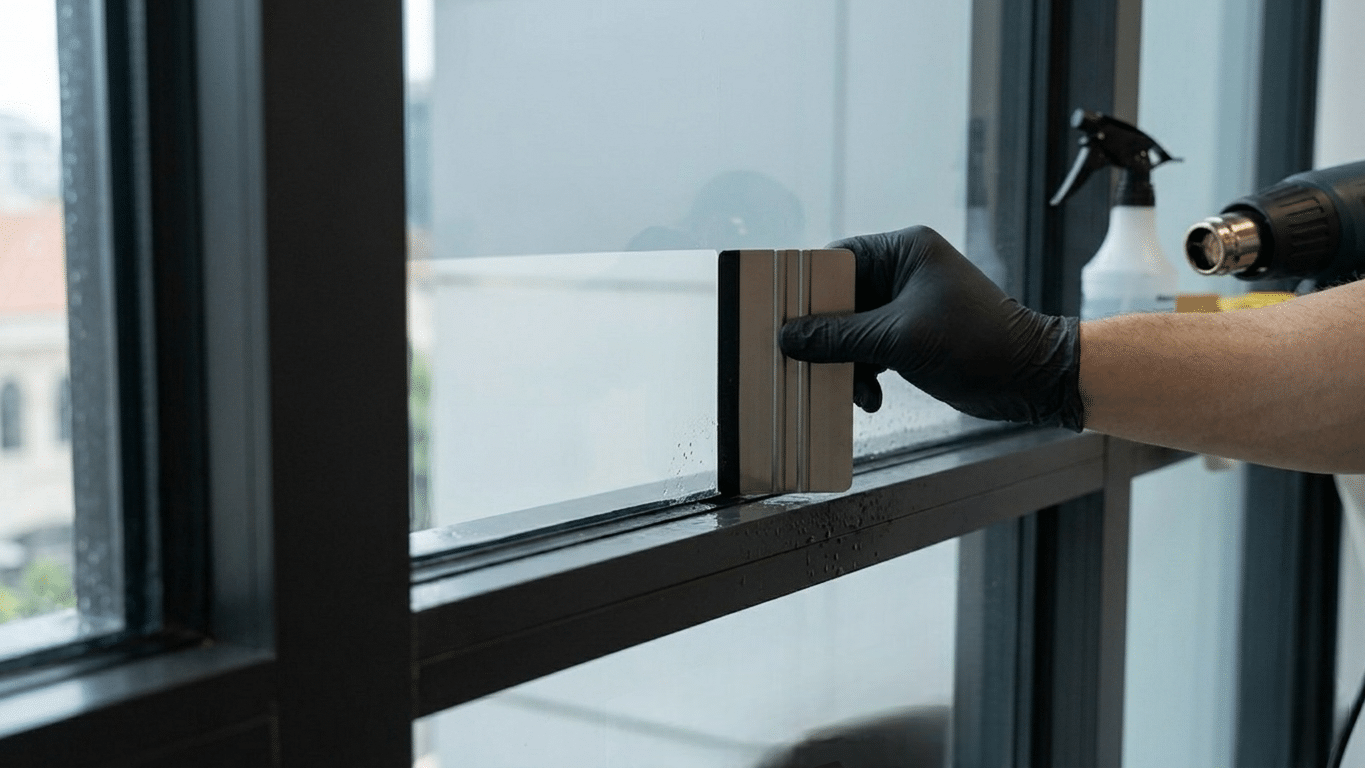
Selecting the right window film depends on several factors, including building size, usage, budget, and design preferences.
For high-end commercial properties, such as office buildings, medical facilities, and retail spaces, investing in advanced film technology often makes sense. The improved comfort, reduced energy costs, and long lifespan can justify the higher initial expense.
For smaller businesses or properties with tighter budgets, traditional options may still provide value. They can be effective in areas with moderate heat exposure or where aesthetics such as reflective finishes are acceptable.
Location also plays a role. In coastal cities like San Diego, where sunlight is strong year-round, performance becomes a higher priority. Buildings with large glass facades or west-facing windows may benefit more from high-performance solutions that handle intense afternoon heat.
It’s also important to consider how the space is used. Customer-facing environments may prioritize visibility and appearance, while back-office areas may focus more on cost efficiency.
Long-Term Value and Installation Considerations
While upfront cost is often the first thing business owners look at, long-term value should carry more weight. A higher-quality film that lasts longer and performs better can reduce maintenance, replacement, and energy expenses over time.
Installation quality is just as important as the film itself. Proper application ensures the material adheres correctly, performs as intended, and maintains a clean, professional appearance. Poor installation can lead to bubbling, peeling, or uneven coverage, which diminishes both performance and aesthetics.
Maintenance is relatively simple for most films, but durability varies. Higher-end options tend to require less upkeep and retain their appearance longer, which is beneficial for businesses that want a consistent, polished look.
Ultimately, the decision comes down to balancing performance, budget, and long-term goals. For many commercial property owners in Southern California, investing in a more advanced solution delivers better results in both comfort and cost savings over time.