

If you’ve ever worked in an office that heats up by mid-afternoon or struggled with glare on your computer screen, you already understand how much windows impact daily comfort. Large glass surfaces are great for natural light, but they can also let in excessive heat and harsh sunlight—especially in sunny regions like San Diego and Southern California.
Window films offer a practical way to balance natural light with indoor comfort. By reducing glare and filtering sunlight, they help create a more productive and enjoyable workspace. Employees can focus better without constantly adjusting blinds or moving away from bright spots, and customers feel more at ease in a space that isn’t overly warm or bright.
For businesses that rely on a welcoming environment—such as retail stores, offices, and hospitality spaces—this improvement alone can make a noticeable difference in how people experience your space.
Improving Energy Efficiency and Lowering Costs
In Southern California’s climate, cooling costs can quickly add up. Air conditioning systems often work overtime to counteract the heat entering through untreated windows. Over time, this leads to higher energy bills and increased wear on HVAC systems.
Window tinting acts as a barrier, reducing solar heat gain and helping maintain a consistent indoor temperature. This means your cooling system doesn’t have to work as hard, which can translate into meaningful savings over time.
For building owners and managers, this isn’t just about short-term comfort—it’s a long-term investment. Reduced energy consumption can also support sustainability goals, which are becoming increasingly important for businesses looking to improve their environmental footprint.
Enhancing Privacy Without Sacrificing Light

Privacy is often a concern in commercial settings, whether it’s a corporate office, medical facility, or storefront. Traditional solutions like blinds or curtains can block natural light and make interiors feel closed off.
Window films provide a more modern alternative. Depending on the type selected, they can obscure visibility from the outside while still allowing natural light to pass through. This is especially useful for ground-level offices, conference rooms, and spaces that handle sensitive information.
In high-traffic areas around San Diego, where buildings are often close together, having that added layer of privacy can make a big difference in how secure and comfortable your space feels—without compromising the open, bright aesthetic many businesses want.
Increasing Safety and Security
Glass is one of the most vulnerable parts of any building. Accidents, break-ins, or even natural events can shatter windows, creating safety hazards and costly damage.
Certain types of window films are designed to reinforce glass, helping hold it together if it breaks. This reduces the risk of injury from flying shards and can also deter opportunistic break-ins by making windows harder to penetrate.
For businesses in busy urban areas or high-traffic locations, this added layer of protection can provide peace of mind. It’s a subtle upgrade that contributes to overall building safety without changing the appearance of your property.
Protecting Interiors from Sun Damage
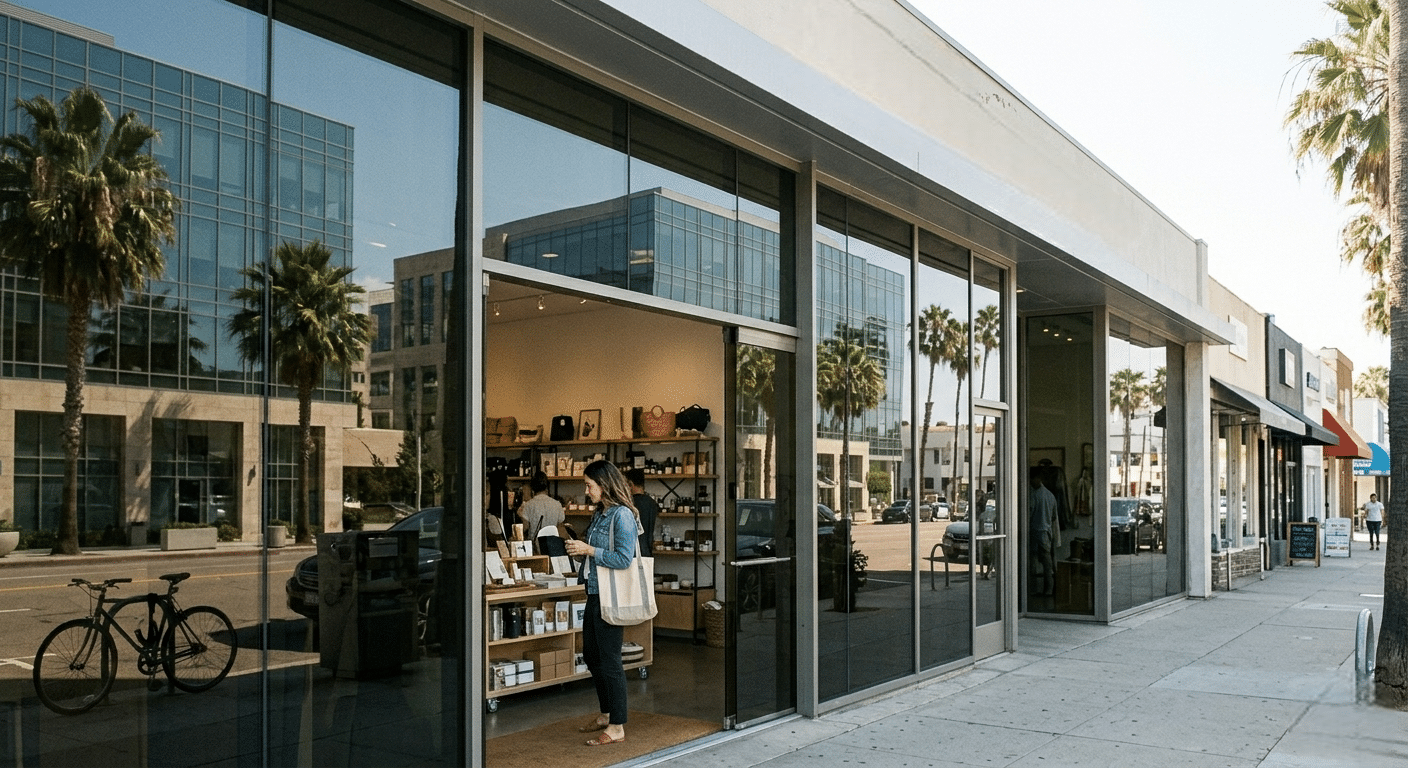
Sunlight doesn’t just affect temperature—it can also cause long-term damage to interiors. Furniture, flooring, merchandise, and even artwork can fade over time when exposed to UV rays.
Window tinting helps block a significant portion of these harmful rays, preserving the appearance and longevity of your interior investments. This is particularly valuable for retail businesses displaying products near windows or offices with expensive furnishings.
In a region like Southern California, where sunlight is abundant year-round, this protection can extend the life of your interiors and reduce the need for frequent replacements or repairs.
Choosing the Right Option for Your Building
Not all window films are the same, and selecting the right one depends on your building’s specific needs. Factors like sun exposure, building orientation, privacy requirements, and aesthetic preferences all play a role.
For example, a west-facing office in San Diego may need a film with stronger heat rejection, while a storefront might prioritize clarity and visibility from the inside. Some buildings benefit from reflective finishes, while others may prefer a more subtle, neutral look.
Working with a professional installer can help you evaluate these factors and choose a solution that aligns with your goals. They can assess your space, recommend the most suitable film, and ensure proper installation for long-lasting performance.
Ultimately, the right choice is about finding a balance—enhancing comfort, efficiency, and security while maintaining your building’s look and feel.