

Living in San Diego and across Southern California means enjoying sunshine almost year-round—but it also brings challenges inside the home. Intense sunlight can quickly heat up living spaces, create glare on screens, and fade furniture, flooring, and décor over time.
Many homeowners notice that certain rooms become uncomfortable during peak afternoon hours, especially those with large windows facing west or south. This uneven indoor climate often leads to overuse of air conditioning, driving up energy bills and reducing overall comfort.
Managing sunlight effectively isn’t just about blocking brightness—it’s about creating a balanced indoor environment. By controlling heat, glare, and UV exposure, you can make your home more livable without sacrificing natural light. That’s where modern window film solutions offer a practical and cost-effective upgrade.
How Window Film Technology Works
Window films are designed with multiple layers that work together to filter sunlight before it enters your home. These layers can reflect, absorb, or block different parts of the solar spectrum, including infrared heat and harmful ultraviolet rays.
Unlike traditional curtains or blinds, these films allow you to maintain visibility and natural light while still reducing heat buildup. The technology has evolved significantly, with newer options offering high clarity, minimal reflectivity, and improved durability.
In Southern California homes, where sunlight intensity is higher than average, this type of solution helps stabilize indoor temperatures. By reducing the amount of solar heat entering through glass, rooms stay cooler throughout the day without relying solely on HVAC systems.
Another advantage is consistency. Once applied, the film works continuously without needing adjustment, making it a low-maintenance option for long-term comfort.
Key Benefits for Comfort and Energy Efficiency
One of the biggest advantages of installing window film is improved indoor comfort. Rooms that were once too hot during the day become more usable, improving functionality in living areas, bedrooms, and home offices.
Energy efficiency is another major benefit. By reducing solar heat gain, your air conditioning system doesn’t have to work as hard. Over time, this can lead to noticeable savings on utility bills—especially during peak summer months in San Diego County.
Glare reduction is equally important. Whether you’re watching TV, working from home, or using devices, excessive brightness can strain your eyes. Window film softens incoming light, creating a more comfortable visual environment without darkening the space.
Additionally, these films block a significant percentage of UV rays. This helps protect furniture, flooring, artwork, and fabrics from fading, extending the lifespan of your interior investments.
Best Areas in the Home to Apply Window Film
Not every window in your home experiences the same level of sun exposure, so it’s helpful to prioritize high-impact areas.
Living rooms are often the first place homeowners notice heat and glare issues. Large windows and open layouts make these spaces particularly vulnerable to afternoon sun. Applying film here can dramatically improve comfort and usability.
Bedrooms, especially those facing east or west, benefit from reduced early-morning or late-afternoon sunlight. This can help create a more restful environment and improve sleep quality.
Kitchens also experience significant heat buildup from both sunlight and cooking. Reducing solar heat gain in this space helps maintain a more comfortable temperature throughout the day.
Home offices have become increasingly important, and screen glare can disrupt productivity. Window film helps create a more controlled lighting environment without closing off natural light.
Finally, rooms with valuable furnishings or décor—such as dining rooms or entertainment areas—benefit from UV protection, which helps preserve their appearance over time.
Choosing the Right Type for Your Home
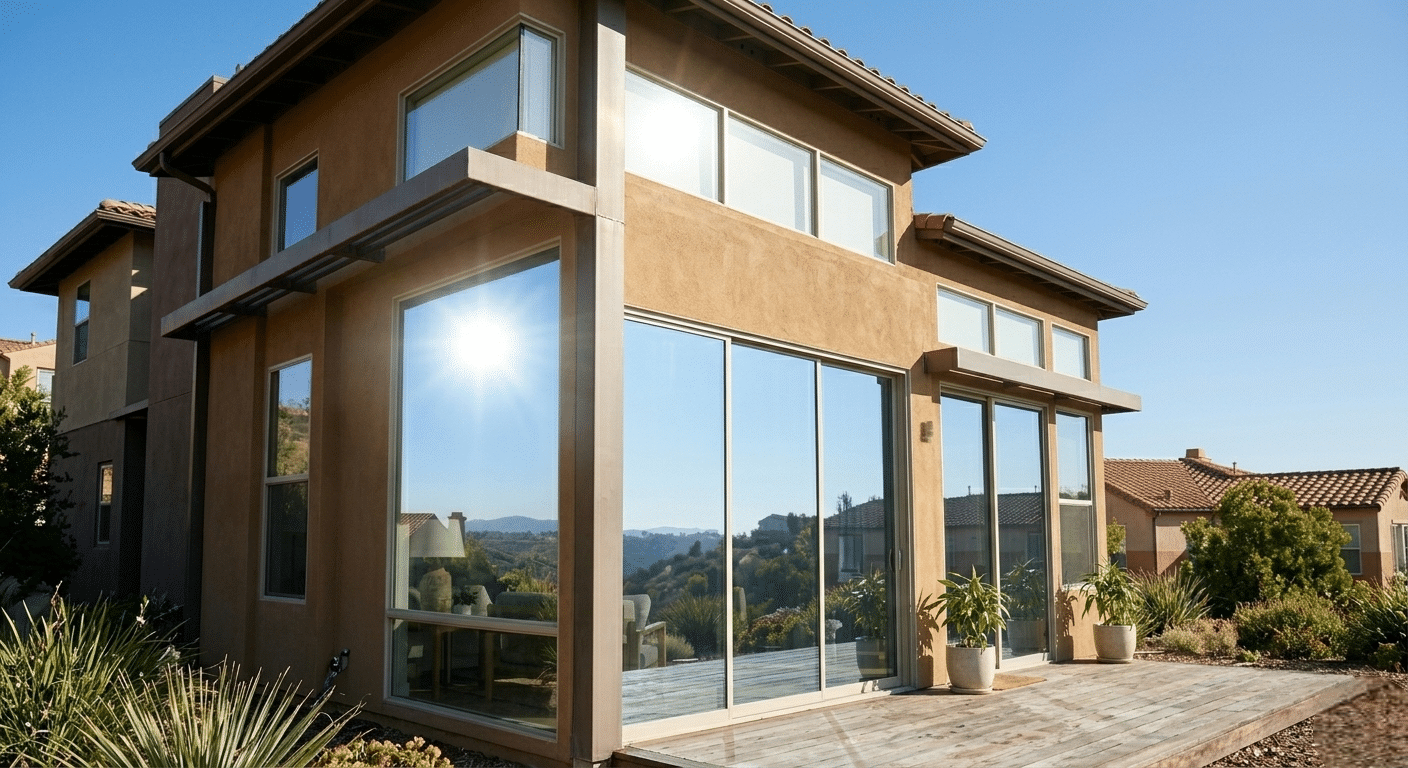
There are several types of window films available, and choosing the right one depends on your priorities.
Solar control films are ideal for reducing heat and glare. They are commonly used in sunny regions like Southern California and provide a noticeable difference in indoor temperature.
Ceramic films offer advanced performance without a mirrored appearance. They are a popular choice for homeowners who want high heat rejection while maintaining a natural look from both inside and outside.
Decorative films add style while providing privacy. While they don’t offer the same level of heat reduction, they are useful in bathrooms, entryways, or areas where aesthetics are a priority.
Privacy films are designed to obscure visibility from the outside while still allowing light in. These are often used for street-facing windows or homes in densely populated neighborhoods.
When selecting a film, consider factors like window orientation, daily sun exposure, and your overall comfort goals. A tailored approach ensures the best results for your specific space.
Professional Installation vs. DIY Application
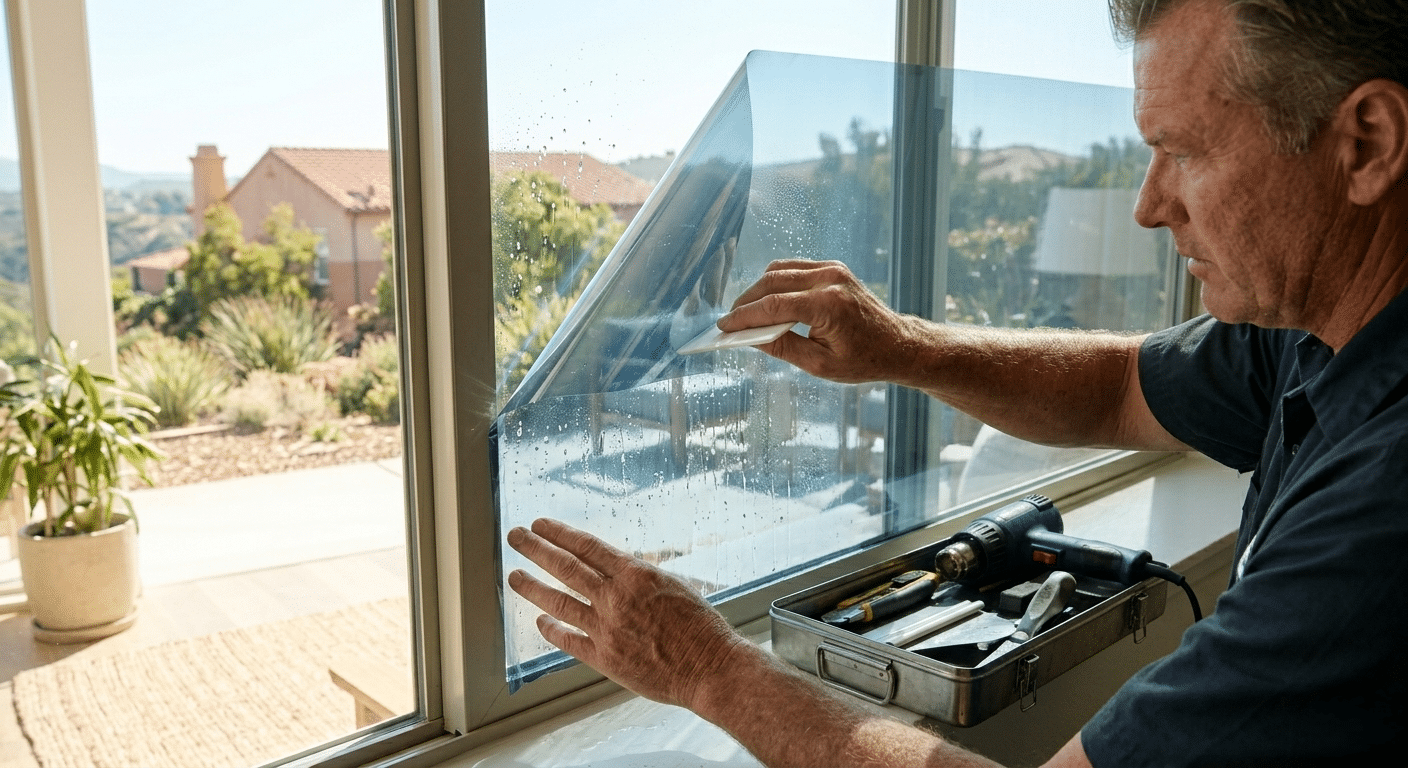
Many homeowners consider applying window film themselves, especially with readily available DIY kits. While this can work for smaller projects, achieving a flawless finish requires precision and experience.
Professional installation offers several advantages. Installers ensure the film is applied without bubbles, creases, or misalignment. They also have access to higher-quality materials that may not be available in retail stores.
In a climate like San Diego’s, where sun exposure is consistent, proper installation plays a critical role in long-term performance. Poorly applied film can peel or degrade over time, reducing its effectiveness.
That said, DIY can be a viable option for those comfortable with detailed work and smaller window surfaces. It’s important to follow instructions carefully and use the right tools to achieve a clean result.
Ultimately, the choice depends on your budget, skill level, and expectations. For larger homes or high-visibility areas, professional installation often delivers better, more lasting results.