
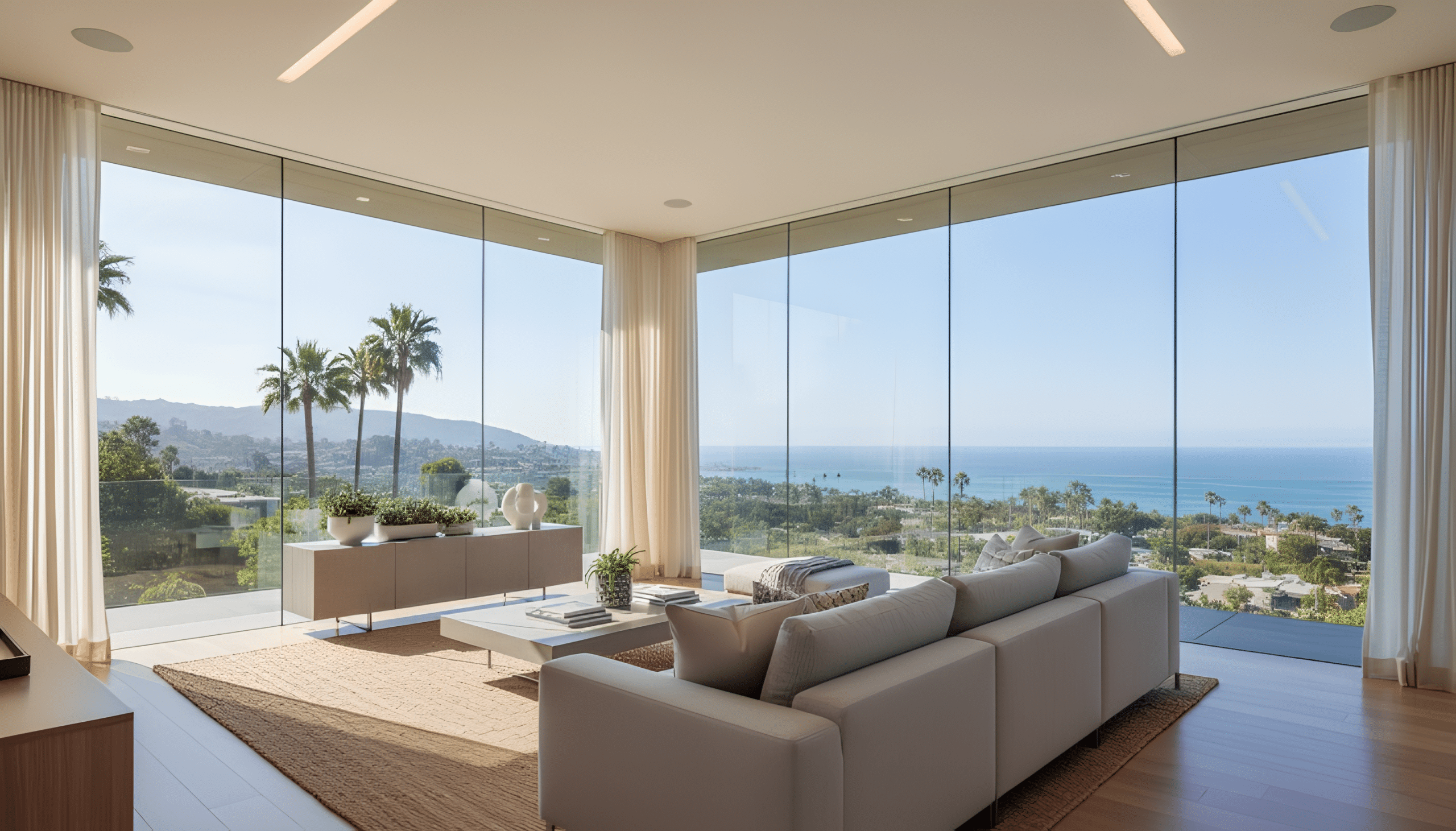
Understanding Why Residential Window Tint Matters
Homeowners in San Diego and across Southern California enjoy abundant sunshine, coastal breezes, and mild weather year-round. While natural light enhances a home’s beauty, prolonged sun exposure brings challenges—harsh glare, higher indoor temperatures, and fading of furniture and flooring. Residential window tint helps solve these issues by reducing heat, filtering UV rays, and providing privacy without blocking the view.
In warm and bright climates like San Diego, Laguna Beach, and Temecula, tinting can dramatically improve comfort. Many homeowners notice reduced need for daytime cooling, a more consistent indoor temperature, and a noticeable reduction in glare during peak sun hours. With today’s advanced film options, you don’t have to sacrifice aesthetics to enjoy practical performance.
Key Benefits of Modern Window Film
Window tint offers far more than just darker glass. Modern films are engineered for energy control, clarity, and longevity. Some primary benefits include:
Lower indoor temperatures
Heat-reduction films can help maintain comfortable indoor temperatures during summer months and coastal heat waves.
UV and glare protection
Tint blocks harmful ultraviolet rays that cause skin damage, fade furniture, and degrade flooring near windows. Films also soften glare, making it easier to enjoy screens or read in bright rooms.
Enhanced privacy and security
Many homeowners prefer tint because it provides daytime privacy without closing blinds or curtains. Some films also strengthen window glass, making break-ins or storm damage less likely.
Energy savings
By reducing reliance on air conditioning, window tint can help lower energy bills—especially in sunny regions like San Diego County and Orange County.
Aesthetic improvement
Tint gives windows a sleek, modern look while preserving natural light. Options range from nearly invisible films to subtle reflective finishes depending on taste and architecture.
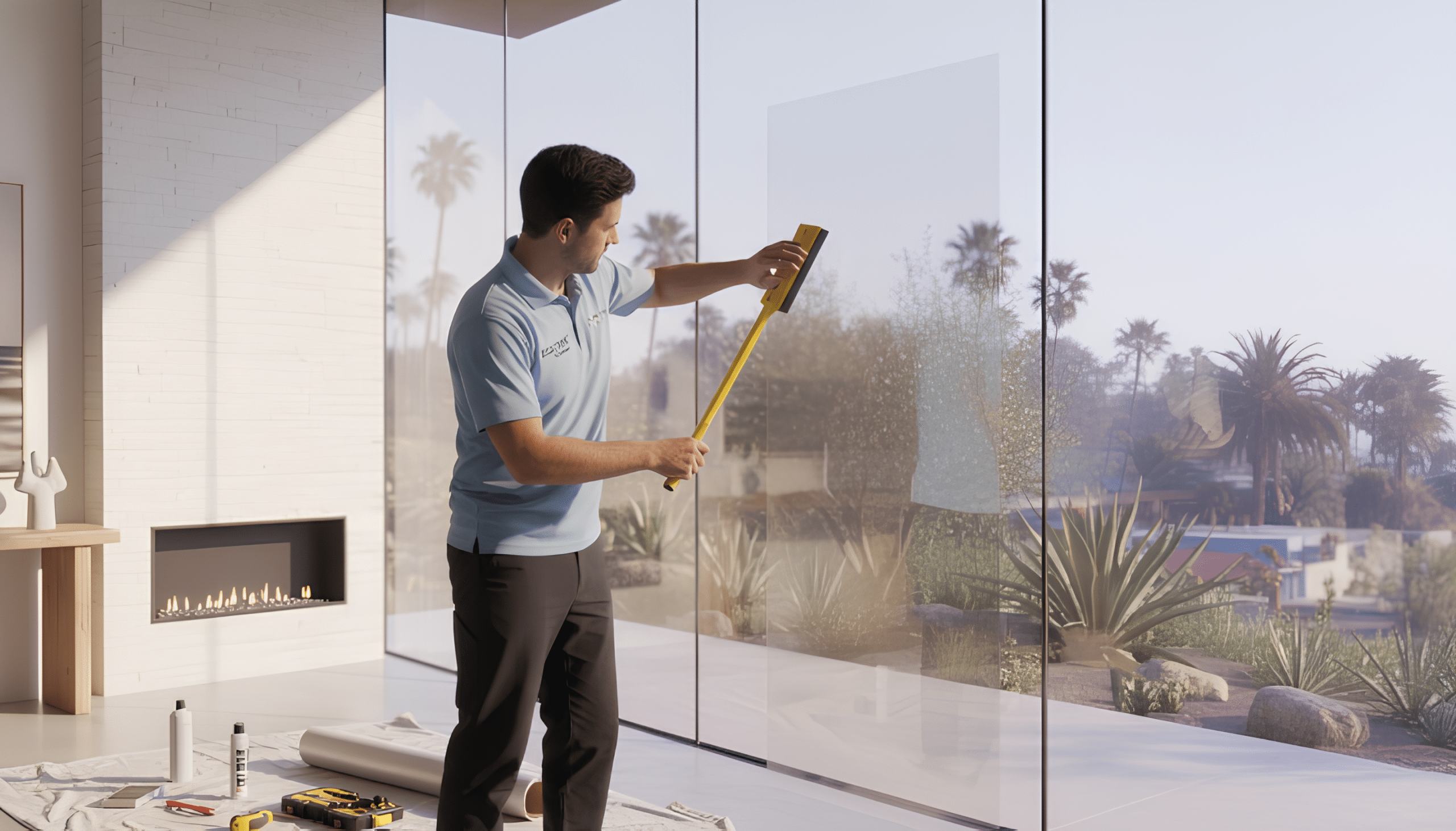
Types of Window Film and Choosing the Best Fit
Selecting the right film involves understanding your home’s needs and local environment. Here are the most common film categories:
Ceramic Film
Ceramic tint is a premium choice due to its exceptional heat rejection, UV protection, and clarity. It performs very well in Southern California’s climate.
Dual-Reflective Film
Designed to reduce heat and glare, dual-reflective film offers more privacy while maintaining visibility from inside.
Neutral or Natural-Tone Film
These films provide a softer, less reflective look ideal for coastal homes and spaces with expansive glass walls.
Low-E (Low Emissivity) Film
Best for climate control year-round, low-E films help maintain warmth during cooler coastal evenings and preserve cool air during the day.
Safety and Security Film
Thicker than standard tint, this film increases shatter-resistance and enhances home security.
Decorative Frosted Film
Perfect for bathroom windows or interior glass, this film adds privacy and style without blocking light.
When evaluating your options, consider sun exposure direction, window style, privacy needs, and whether you prefer maximum clarity or a more reflective finish.
Tips for Finding the Right Tint Installer
The installation team you choose has a major impact on results. Look for:
Experience with residential installations
Home windows differ from automotive glass; technicians should know both older and modern home construction methods.
Local expertise
Teams familiar with San Diego, Orange County, and Riverside properties understand climate patterns, HOA guidelines, and coastal exposure impacts.
Quality film brands
Ask which manufacturers they use. Reputable installers typically offer long-lasting films backed by warranties.
Professional certification & warranty details
Warranties protect your investment and indicate that installers follow industry standards.
You can also request to view sample films on your windows before making a final decision.
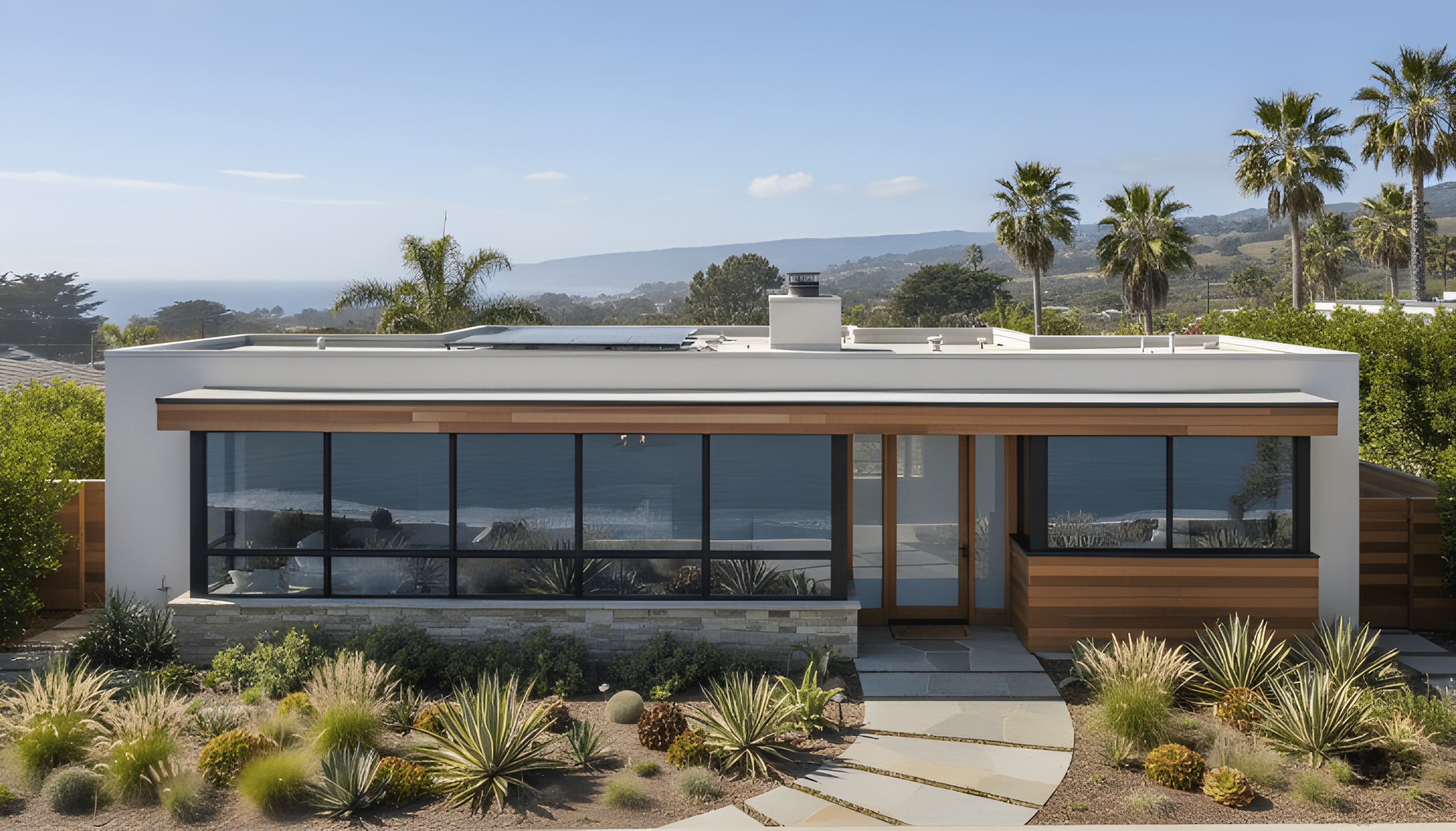
DIY vs. Professional Installation
Some homeowners explore DIY tint kits, often attracted by lower upfront cost. While DIY is possible for small interior projects or decorative films, exterior-facing windows typically require professional installation for:
-
Clean, bubble-free application
-
Precise trimming and edge sealing
-
Long-term adhesive stability
-
Warranty protection
Professional installers also have tools and training to work around challenging window shapes, high-position windows, and large glass panels commonly found in modern Southern California homes.
Maintenance and Long-Term Care
With proper care, residential tint can last 15–25 years depending on film type and sun exposure. Recommended care practices include:
-
Wait about a month before cleaning newly tinted windows to allow adhesive to fully cure.
-
Use soft cloths or squeegees—avoid abrasive pads and strong chemicals.
-
Choose ammonia-free glass cleaners to protect film integrity.
-
Avoid placing objects that trap heat directly against tinted glass.
In coastal areas, occasional cleaning helps remove salt and moisture droplets that can collect on exterior glass, preserving clarity and durability.