
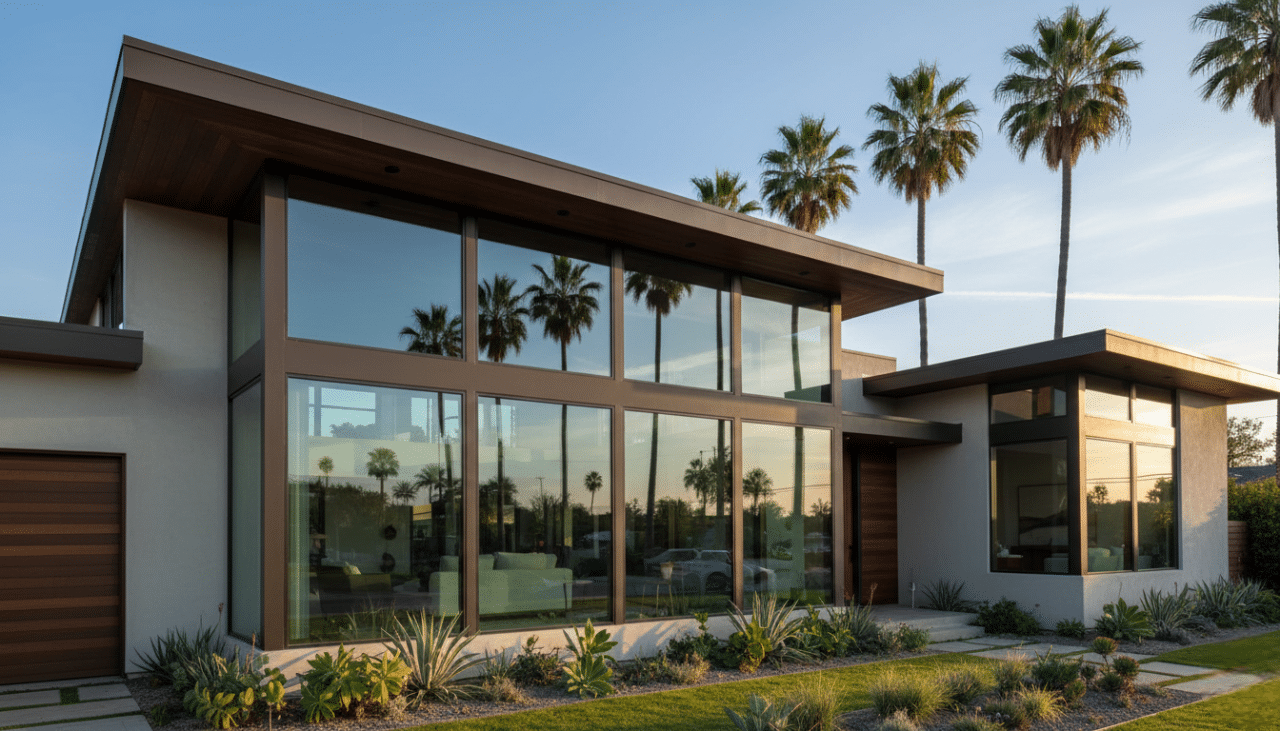
When homeowners in San Diego start researching ways to reduce heat, glare, and UV exposure, they often come across two terms: window film and window tint. At first glance, they seem interchangeable. Many people even use them as synonyms. But are they actually the same thing?
If you are considering upgrading your home’s windows in Southern California, understanding the distinction can help you choose the right solution for your comfort, privacy, and energy efficiency goals.
Why San Diego Homeowners Are Looking for Glass Upgrades
Living in San Diego means enjoying abundant sunshine year-round. From coastal homes in La Jolla to inland properties in El Cajon and Chula Vista, natural light is one of the region’s biggest selling points. However, constant sun exposure also brings challenges.
South-facing windows can turn living rooms into heat traps. West-facing glass often creates intense glare in the late afternoon. UV rays can fade hardwood floors, artwork, and furniture faster than many homeowners expect. In warmer months, cooling systems work harder, increasing energy bills.
Because replacing windows entirely can be expensive, many homeowners look for retrofit solutions. That is where film and tint products come into the conversation.
What People Mean by Window Tint
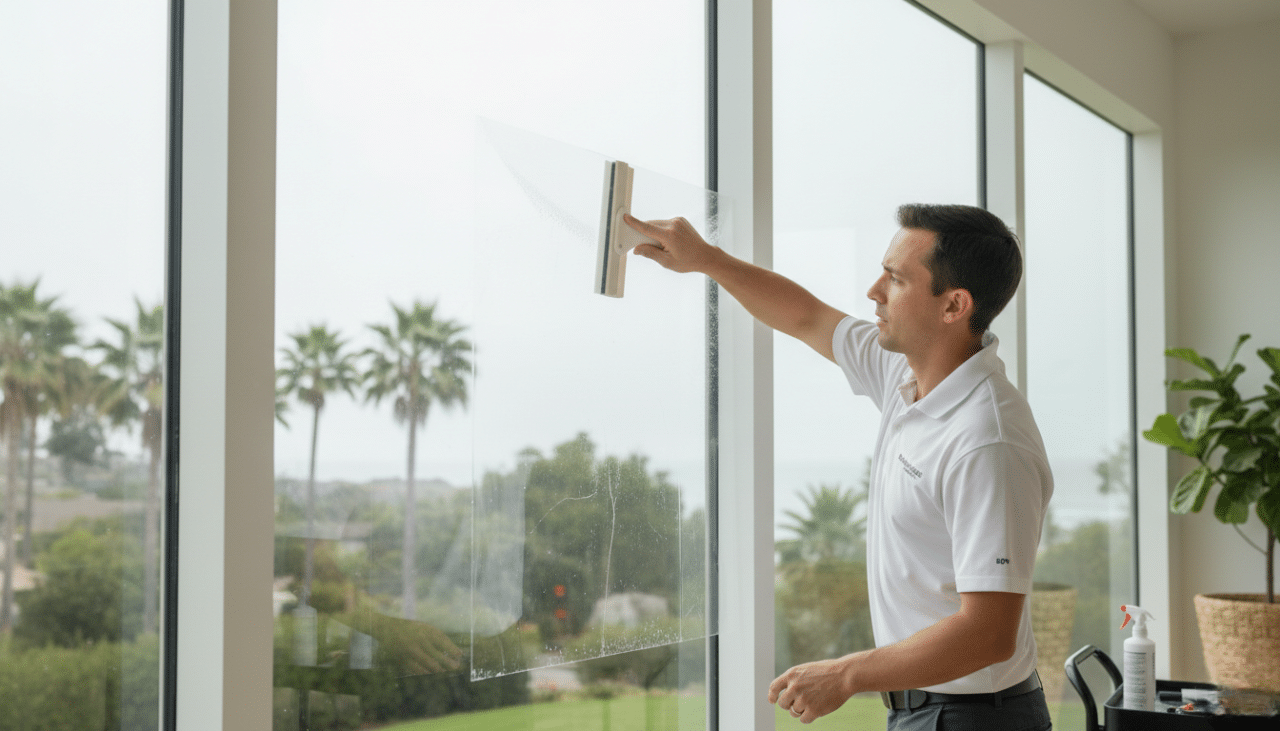
In residential settings, window tint typically refers to a darker or shaded appearance applied to glass. Most people picture the kind of darkened glass commonly seen on vehicles. The primary purpose is often privacy or glare reduction.
In homes, tinted products can:
-
Reduce visible light transmission
-
Cut down on glare
-
Add daytime privacy
-
Improve aesthetic uniformity from the outside
Tinted glass works by absorbing or reflecting portions of sunlight. The darker the tint, the less light enters the room. While this can be helpful in bright areas of Southern California, overly dark installations can make interiors feel closed in or artificially dim.
Modern residential tinting products are far more advanced than older versions. Today’s options can be subtle, nearly invisible, and designed specifically for homes rather than cars. Still, “tint” is often used as a casual umbrella term rather than a technical category.
What Window Film Actually Refers To
Window film is the broader, more technical term. It describes a thin, multi-layered polyester material applied directly to existing glass. These films are engineered for specific performance goals, including:
-
Heat rejection
-
UV protection
-
Glare control
-
Decorative effects
-
Safety and security reinforcement
-
Privacy
Some films are tinted. Others are clear and designed to maintain natural light while blocking infrared heat and harmful UV rays. In other words, tint is often a type of film, but not all film is tinted.
For homeowners in San Diego who want to preserve ocean views or maintain bright interiors, advanced films can reduce heat without significantly darkening the space. That distinction matters, especially in neighborhoods where aesthetics and natural light are priorities.
Key Differences That Matter for Your Home
Although the terms are commonly used interchangeably, the real differences lie in function, technology, and performance.
1. Appearance vs. Performance Focus
Tint often emphasizes appearance and shading. Film can focus on energy efficiency, UV filtering, security, or decorative design in addition to appearance.
2. Heat Control Capabilities
Modern multilayer films can block a high percentage of infrared radiation without significantly reducing visible light. Traditional tint products tend to rely more heavily on darkening to control heat.
3. UV Protection
Many advanced films block up to 99 percent of UV rays, helping protect flooring and furnishings. While some tinted products offer UV reduction, performance levels vary widely.
4. Security and Safety Options
Certain films are engineered to hold shattered glass together during breakage. This can be valuable in areas concerned with burglary prevention or seismic activity. Basic tint does not typically offer reinforced protection.
5. Decorative and Frosted Choices
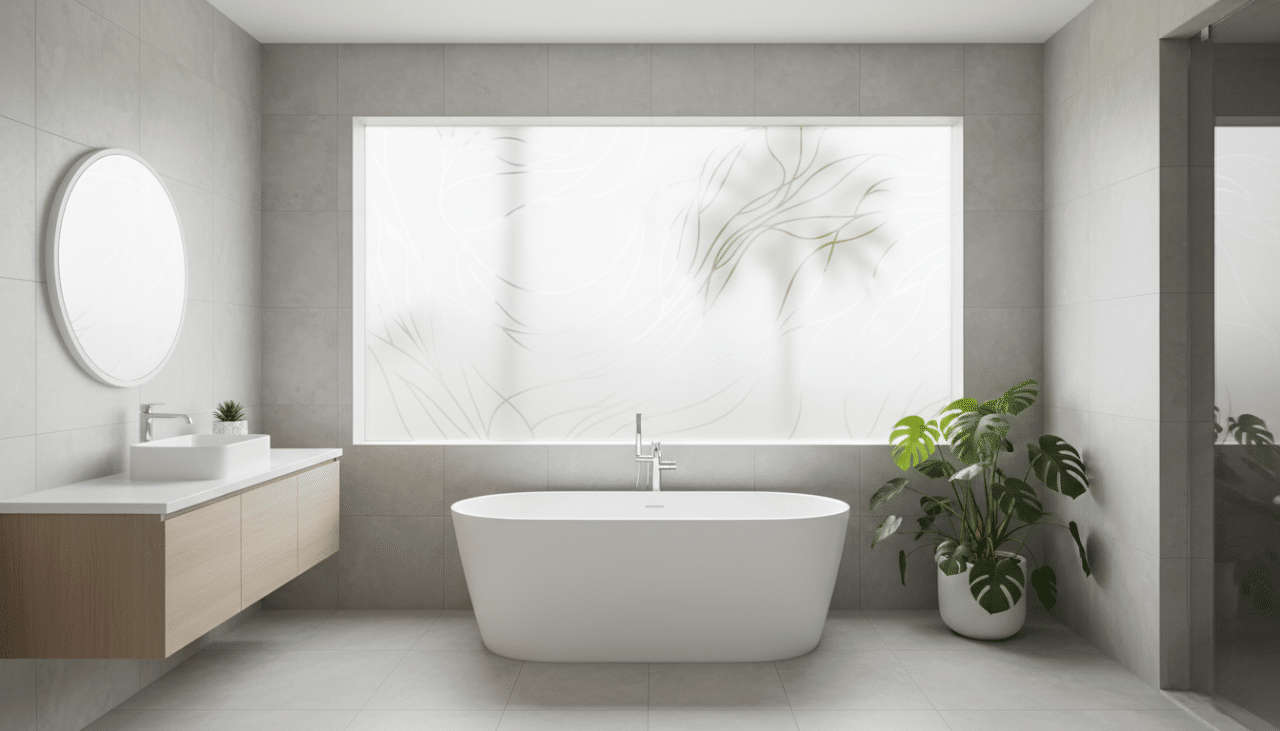
Films can also be frosted, patterned, or textured. These are often used in bathrooms, home offices, and entryways to enhance privacy without sacrificing light. Tint is usually limited to shaded finishes.
For Southern California homeowners, climate plays a major role. Inland areas like Escondido and Poway experience higher summer temperatures than coastal communities. Choosing a high-performance product rather than simply a darker shade can significantly improve comfort and energy use.
Energy Efficiency and Cost Considerations in Southern California
Energy costs in California are among the highest in the country. Even modest reductions in cooling demand can translate into meaningful savings over time.
High-quality film installations can:
-
Lower solar heat gain
-
Reduce strain on HVAC systems
-
Improve indoor comfort consistency
-
Extend the life of furniture and finishes
While tinting may provide some glare relief, advanced film technologies are specifically engineered to improve overall window performance. This is particularly important for homes with large panes of glass or open-concept layouts that receive direct afternoon sun.
In San Diego, many properties feature expansive windows to take advantage of coastal views. Homeowners often want to control heat without compromising aesthetics. A nearly invisible, spectrally selective film may be more appropriate than a visibly dark tint.
Upfront costs vary depending on product type and square footage. However, compared to full window replacement, both options are typically far more affordable. Professional installation also ensures proper adhesion, bubble-free finishes, and manufacturer-backed warranties.
Privacy Solutions for Daytime and Nighttime
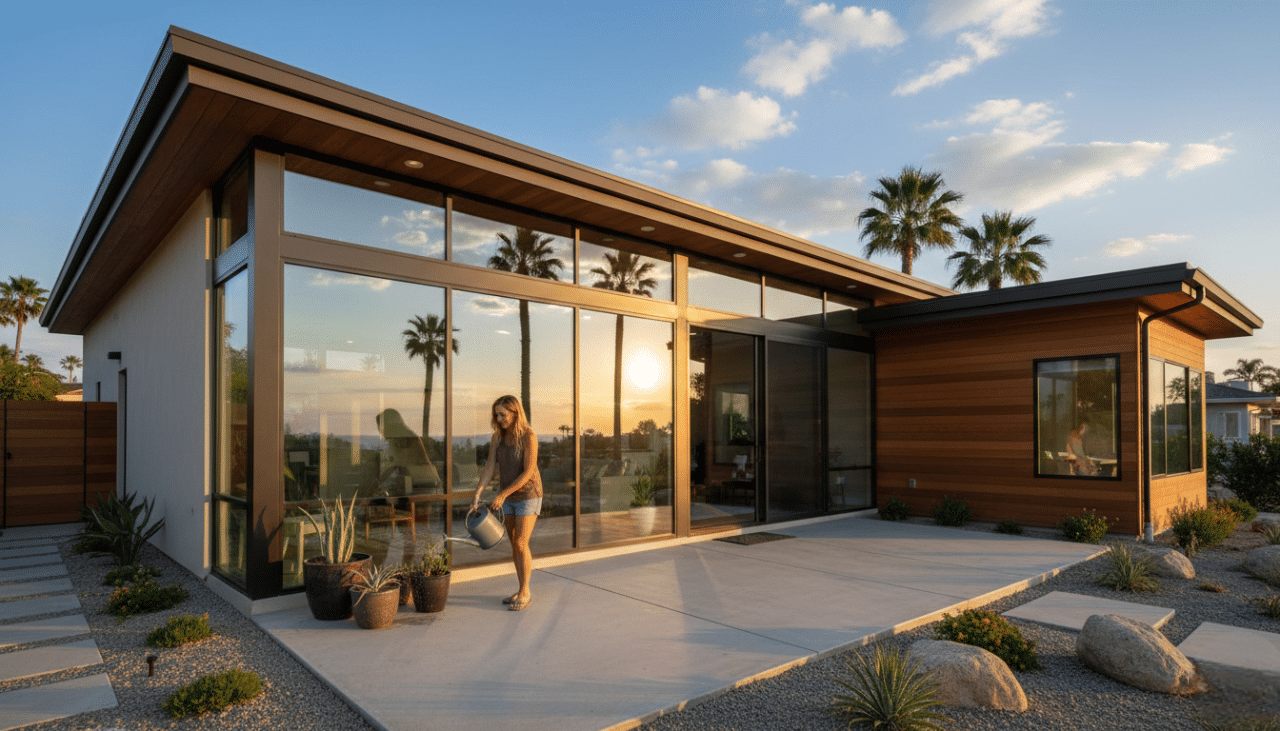
Privacy is another reason homeowners explore these options. However, expectations should be realistic.
Reflective films and darker tints provide effective daytime privacy by creating a mirrored effect from the outside. During daylight hours, outsiders see their own reflection rather than the interior.
At night, the effect reverses if interior lights are on. Without additional treatments like curtains or blinds, visibility from the outside increases.
For bathrooms or ground-level rooms, frosted or decorative films offer a better all-hours privacy solution. These allow light to pass through while obscuring visibility in both directions.
San Diego homeowners in dense neighborhoods such as North Park or Mission Hills often prioritize privacy without wanting heavy window coverings. In those cases, selecting the right film type is more important than simply choosing a darker shade.
Choosing the Right Option for Your San Diego Home
The right solution depends on your goals.
If your primary concern is glare reduction in a media room, a subtle tint may work well. If you want to lower cooling costs and protect interiors from UV damage, a performance-driven film is likely the smarter investment.
Ask yourself:
-
Do you want to maintain maximum natural light?
-
Is energy efficiency a priority?
-
Are you concerned about break-ins or glass shattering?
-
Do you need decorative privacy for specific rooms?
A professional consultation can evaluate your home’s orientation, window size, and sun exposure patterns. For example, west-facing windows in Clairemont may require stronger heat rejection than shaded properties in coastal Del Mar.
By recognizing that tint is often a category within the broader film industry, you can make a more informed decision rather than relying solely on terminology.
Upgrading your windows does not always require full replacement. With the right product selection and proper installation, you can improve comfort, protect your interiors, and enhance privacy while maintaining the bright, open feel that makes Southern California homes so desirable.