

Limo tint refers to extremely dark window film that allows only a small fraction of visible light to pass through the glass. From the outside, it creates a near-black appearance that prevents people from seeing into the vehicle. From the inside, it dramatically reduces light, even on bright days.
Drivers often choose this level of tint for its privacy, bold appearance, and ability to block harsh sunlight. In Southern California, where sunshine is constant and temperatures can rise quickly, darker window film can significantly reduce heat buildup inside the cabin. However, the same qualities that make limo tint appealing also raise concerns around safety, legality, and daily usability—especially in urban environments like San Diego.
Understanding how this type of film behaves in real-world driving conditions is essential before deciding whether it’s a smart upgrade or a risky choice.
Visibility Challenges in Real-World Driving
One of the most noticeable effects of ultra-dark window film is reduced visibility, particularly in low-light environments. While daytime driving may feel manageable in direct sunlight, conditions can change rapidly at dusk, on overcast days, or at night.
Situations such as merging lanes, navigating parking structures, making unprotected turns, or reversing in dimly lit areas become more challenging. Pedestrians, cyclists, and smaller vehicles are harder to detect, which increases the required reaction time. In busy San Diego neighborhoods, where foot traffic and scooters are common, limited visibility can pose serious risks.
Many drivers compensate by rolling down windows or relying heavily on cameras and sensors, but those solutions are not always practical or reliable. The darker the film, the greater the reliance on artificial aids, which can fail or perform poorly in rain or glare.
California Window Tint Laws You Should Know
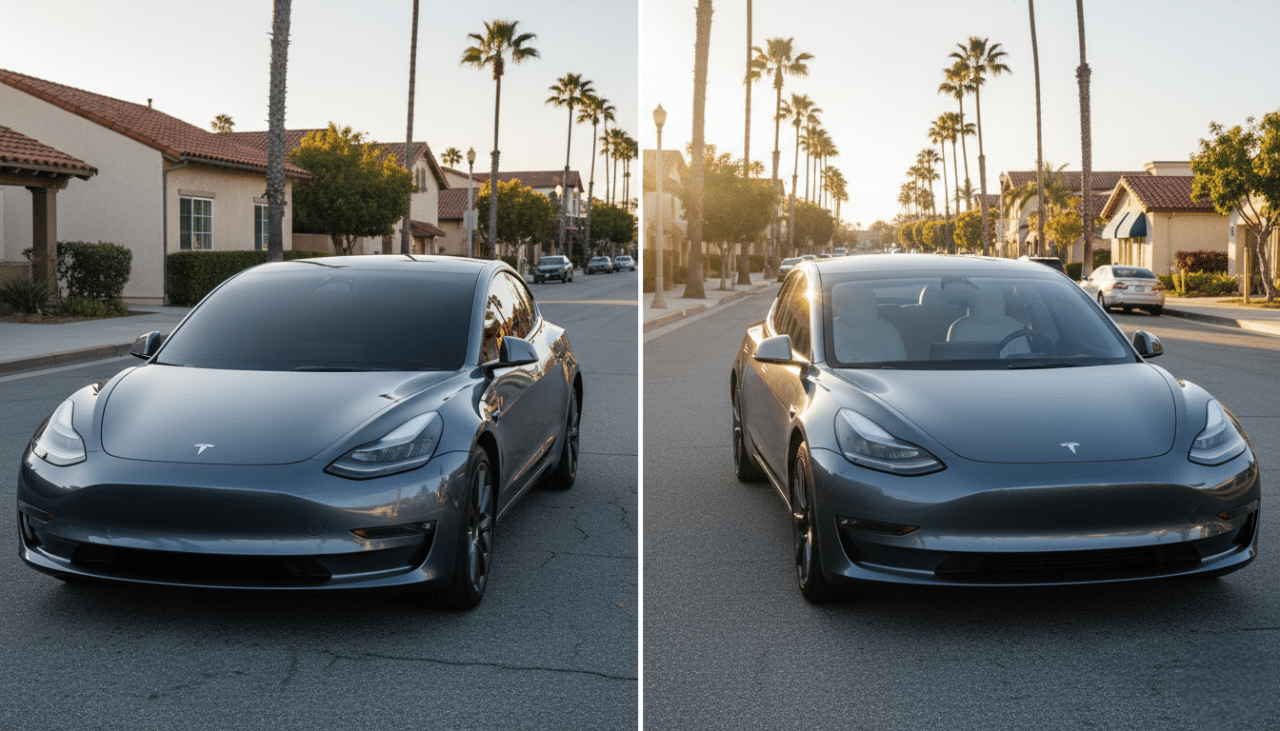
California has some of the most specific window tint regulations in the country, and enforcement is common throughout Southern California. The state prioritizes driver visibility and law enforcement safety when establishing these rules.
For passenger vehicles, the front side windows must allow high light transmission, while the windshield is limited to a narrow, non-reflective strip along the top edge. Rear windows offer greater flexibility, but restrictions still apply based on vehicle type and mirror configuration.
Installing excessively dark film on front windows typically violates state regulations and can result in repair tickets, fines, or removal requirements. In San Diego County, enforcement tends to be stricter in urban areas, near nightlife districts, and during routine traffic stops.
Before choosing any window film, it’s important to understand that legality is determined by measured light transmission—not appearance alone. A professional installer can help explain what options remain compliant while still offering heat rejection and privacy benefits.
Safety Considerations Beyond the Law
Legal compliance is only one factor; safety should be just as important. Reduced visibility affects not only the driver but also other road users. Eye contact between drivers and pedestrians is crucial to preventing accidents, especially at crosswalks and intersections.
Emergency responders and law enforcement officers also rely on vehicle visibility for situational awareness. Extremely dark windows can escalate routine interactions and raise concerns during traffic stops.
Additionally, interior darkness can increase driver fatigue. Human eyes constantly adjust when moving between bright and dim environments, and prolonged exposure to low-light conditions may cause strain, particularly during extended drives or nighttime travel.
While some drivers adapt over time, the margin for error narrows significantly. This is why many safety professionals recommend moderate tint levels that balance comfort and clarity.
Popular Alternatives That Balance Style and Performance
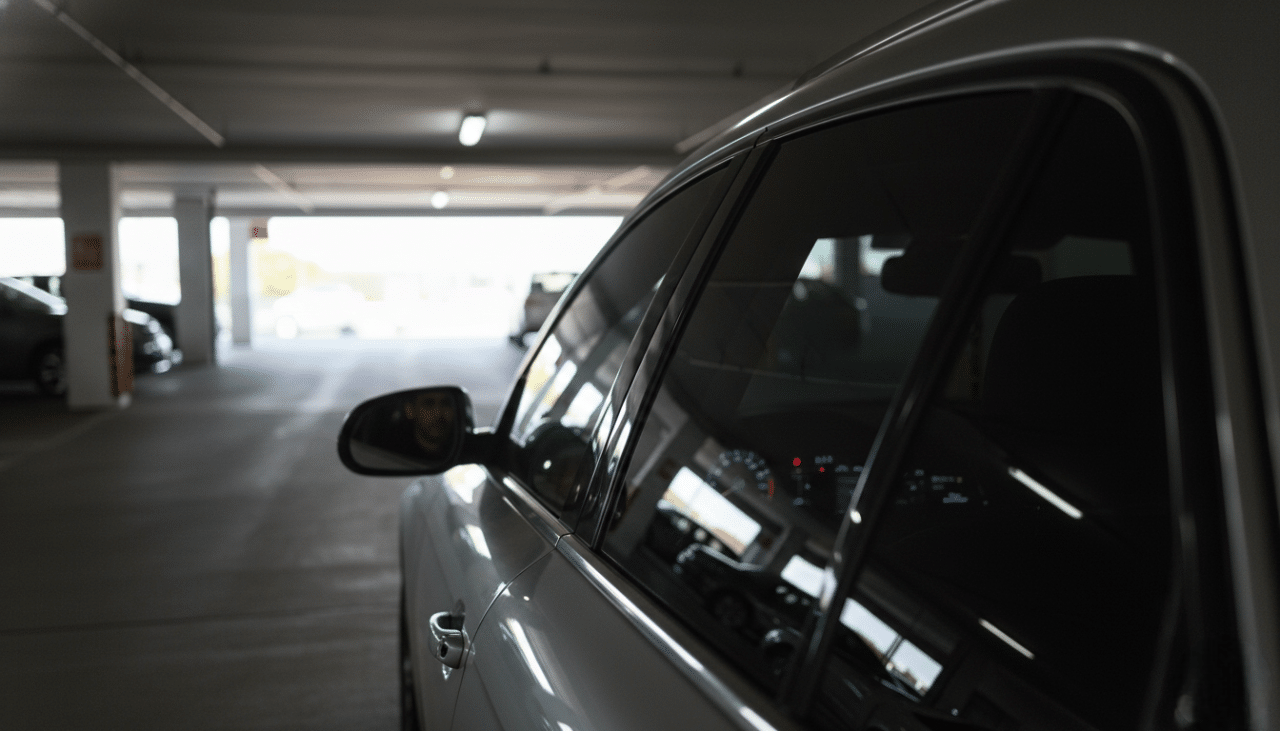
Drivers who want a sleek look without compromising visibility often choose advanced ceramic or carbon-based window films. These options are engineered to block heat and UV rays without dramatically darkening the glass.
High-performance films can reduce interior temperatures, protect upholstery, and minimize glare while maintaining a clear view of the road. For Southern California drivers, this means comfort during hot summers without the drawbacks of extreme darkness.
Another popular approach is using darker film on rear windows while keeping front windows lighter and compliant. This preserves passenger and cargo privacy while maintaining forward visibility where it matters most.
A reputable San Diego installer can recommend film combinations tailored to local driving conditions, legal requirements, and personal preferences.
Choosing the Right Tint for San Diego Roads
Driving in San Diego presents unique challenges: coastal glare, frequent nighttime driving, dense traffic, and mixed urban environments. What works well in one region may be impractical here.
Before committing to ultra-dark window film, consider how often you drive at night, where you park, and how comfortable you are relying on cameras or rolling down windows. Also factor in the long-term costs of potential citations, removal, or replacement.
Professional tint shops can demonstrate different film levels, explain heat-rejection ratings, and ensure precise installation. Choosing the right option from the start helps avoid legal trouble while still enhancing comfort and style.
Ultimately, the best window tint is one that improves your driving experience without introducing unnecessary risks.