
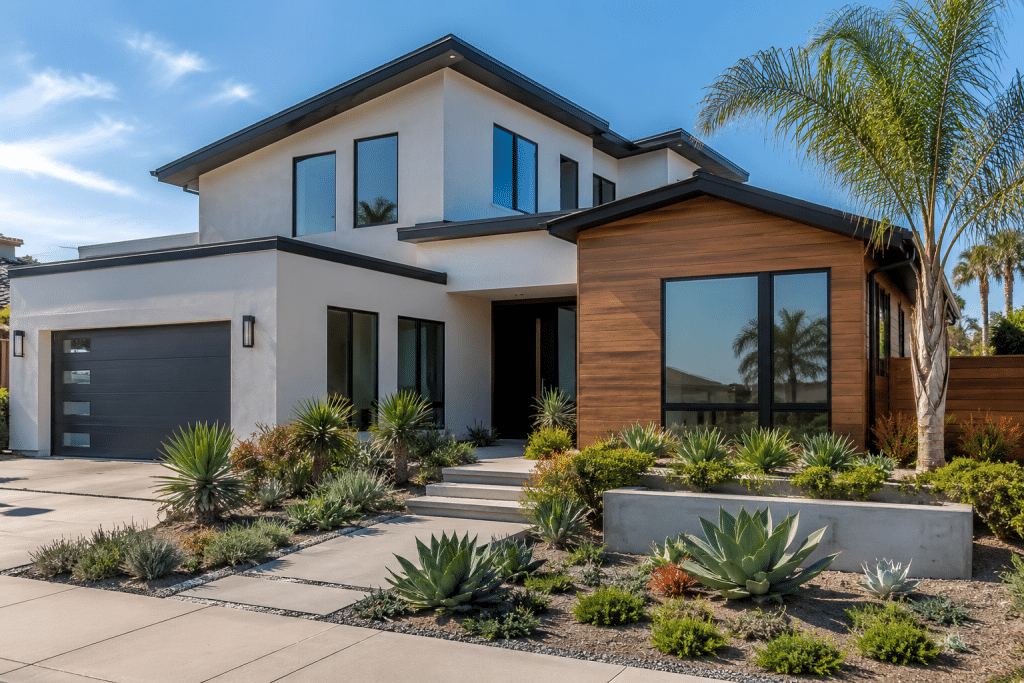
In Southern California, windows play a major role in how a home looks and feels. Large windows bring in beautiful natural light and can make living spaces feel open and inviting, but they also expose interiors to intense sunlight, heat, glare, and unwanted visibility. For homeowners in San Diego and surrounding communities, finding a way to enjoy the benefits of natural light without the drawbacks can make a noticeable difference in everyday comfort.
Residential window film offers a practical way to upgrade existing glass without the expense and disruption of replacing entire windows. Depending on the type of film selected, it can help reduce solar heat, control glare, improve daytime privacy, protect furnishings from ultraviolet exposure, and give exterior glass a cleaner, more consistent appearance.
These benefits can also influence how a property is perceived. A home that looks polished from the street and feels comfortable inside creates a stronger impression on residents, guests, and potential buyers. For homeowners considering improvements that combine appearance with everyday function, professionally installed window film can be a worthwhile addition.
A Simple Upgrade That Can Transform Exterior Appearance
Curb appeal is often associated with landscaping, exterior paint, roofing, doors, and architectural details. Windows, however, occupy a significant portion of many home exteriors and can have just as much influence on a property’s overall appearance.
Untreated windows may look inconsistent from the street because curtains, blinds, furniture, and interior lighting are visible through the glass. Depending on the time of day, some windows may appear bright while others look dark, creating an uneven exterior appearance.
Professionally selected residential film can create a more uniform look across the windows. Subtle neutral, reflective, or lightly shaded finishes can complement modern architecture while maintaining a clean appearance. The goal does not have to be making the glass dramatically darker. Many modern films are designed to provide performance benefits while remaining relatively discreet.
This can be particularly appealing for contemporary Southern California homes with large glass surfaces. From coastal properties to suburban homes, consistent-looking windows can complement exterior paint, landscaping, and architectural lines rather than distracting from them.
The right finish should suit the character of the property. A modern home may benefit from a sleek neutral appearance, while a traditional residence may look better with a nearly clear film that preserves the original style of the windows.
Better Indoor Comfort During Sunny Southern California Days

San Diego is known for comfortable weather, but abundant sunshine can still create uncomfortable conditions indoors. Rooms with west- or south-facing windows may become noticeably warmer during certain parts of the day, especially when large areas of glass receive direct sunlight.
Solar-control window film is designed to reduce some of the solar energy entering through glass. By limiting unwanted heat gain, it can help rooms feel more comfortable without completely blocking natural daylight.
This can be especially useful in home offices, living rooms, kitchens, bedrooms, and other spaces where direct sunlight creates hot spots. Instead of closing blinds or curtains throughout the afternoon, homeowners may be able to maintain a brighter, more open environment while reducing some of the discomfort caused by intense sun.
Glare is another common issue. Bright reflections on televisions, computer monitors, and other screens can make everyday activities frustrating. Appropriate window film can reduce glare while preserving outdoor views, allowing residents to use naturally bright rooms more comfortably.
For Southern California homes designed around indoor-outdoor living, maintaining those views can be important. A carefully selected film provides a balance between natural light, visibility, and solar control rather than simply making rooms darker.
Protecting Floors, Furniture, and Interior Finishes
Sunlight can gradually affect the appearance of materials inside a home. Hardwood flooring, rugs, artwork, upholstery, photographs, and furniture finishes may fade or discolor after years of exposure.
Ultraviolet radiation is one contributor to this fading. Many residential window films are designed to block a significant portion of UV rays passing through glass, providing an added layer of protection for interior furnishings and finishes.
This does not mean fading can be eliminated entirely. Visible light, heat, material quality, and other environmental factors also influence how quickly surfaces change over time. However, reducing UV exposure can help slow one of the major contributors.
The benefit can be particularly valuable in homes with expensive flooring, custom furnishings, artwork, or large windows that receive hours of direct sunlight each day.
Window film can also reduce the need to keep shades closed simply to protect interiors. Homeowners can continue enjoying natural light and outdoor views while protecting valuable items inside the home.
Over time, preserving the appearance of flooring, furniture, and decorative finishes may help reduce premature replacement or refinishing costs, making window film more than a cosmetic improvement.
More Privacy Without Sacrificing Natural Light

Privacy can be challenging in neighborhoods where homes are close together, or windows face sidewalks, streets, neighboring properties, and outdoor gathering areas.
Traditional blinds and curtains provide effective privacy, but they often block natural light and exterior views when closed. Certain types of residential window film can offer another option.
Depending on lighting conditions and the film selected, privacy-focused or reflective films can make it more difficult to see into a home during daylight hours while still allowing occupants to see outside. Frosted or decorative films can provide greater privacy for areas where maintaining a clear view is less important.
Bathrooms, entry doors, sidelights, home offices, and street-facing windows are common locations where these films may be useful.
It is important to understand that reflective daytime privacy does not automatically provide the same privacy at night. When interior lights are brighter than outdoor conditions, visibility can change significantly. A professional installer can explain these limitations and recommend an appropriate combination of film and window coverings.
The best solution should balance privacy, daylight, exterior appearance, and the way each room is actually used.
Energy Efficiency Can Add Practical Long-Term Value
Home improvements become more attractive when they provide benefits beyond appearance. Residential window film can contribute to energy efficiency by reducing solar heat gain through certain windows, potentially lowering the cooling demand placed on a home during warmer periods.
The actual impact depends on several factors, including window orientation, glass type, film performance, home insulation, local weather, and HVAC efficiency. Homes with large sun-facing windows may notice a greater difference than properties with heavily shaded glass.
In Southern California, where cooling costs can increase during hot weather, reducing unnecessary heat entering through windows may support more efficient temperature management. Rooms may feel more balanced, and air-conditioning systems may not have to compensate as heavily for intense solar exposure in certain areas.
Energy performance is increasingly relevant to homeowners and buyers who consider ongoing operating costs when evaluating a property. Features that support comfort and efficiency can contribute to the overall appeal of a well-maintained home.
Professional installation is especially important when energy performance is a priority. Different films have different specifications, and not every product is appropriate for every type of glass. Choosing a compatible film helps achieve the desired results while protecting the existing window system.
Choosing the Right Window Film for Your San Diego Home
There is no single residential window film that works best for every property. The right choice depends on what the homeowner wants to improve, the type of windows already installed, and the home’s architectural appearance.
Some homeowners prioritize heat reduction because certain rooms become uncomfortable in the afternoon. Others want greater privacy, UV protection, glare control, or a more polished exterior appearance. Many want a combination of these benefits.
A professional assessment can help determine which windows create the biggest challenges. For example, west-facing glass may need stronger solar control, while front-facing windows may require a subtler finish to maintain curb appeal. Bathroom or entryway glass may benefit from decorative privacy film instead.
Homeowners should also consider how a film will look from both inside and outside. Samples can help demonstrate changes in visible light, reflectivity, privacy, and exterior appearance before a final product is selected.
Quality installation matters just as much as product selection. Poor application can result in bubbles, contamination, uneven edges, peeling, or an inconsistent finish. Professional installers prepare the glass carefully and apply the film using techniques designed to create a smooth, durable result.
For homeowners throughout San Diego and Southern California, residential window film offers a relatively simple way to improve an existing property without undertaking major construction. It can enhance curb appeal, make sunny rooms more comfortable, reduce glare, provide UV protection, support privacy, and improve temperature control.
When the right film is professionally selected and installed, the improvement can feel subtle but meaningful. The home retains its natural light and character while gaining practical features that make it more comfortable, attractive, and enjoyable for years to come.