
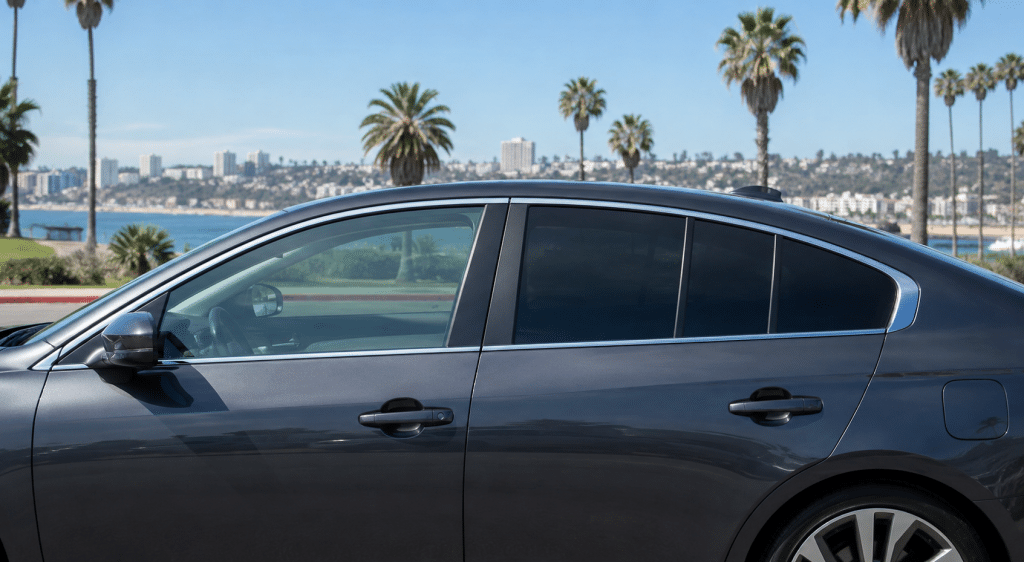
Choosing the right window tint for your vehicle is about much more than deciding how dark you want the glass to look. The percentage you select can affect privacy, visibility, glare, interior comfort, UV protection, and your car’s overall appearance. For drivers in San Diego and throughout Southern California, these factors are especially important because sunny weather and strong daytime heat are part of everyday driving.
A good tint should complement your vehicle while making the cabin more comfortable without creating unnecessary visibility problems. Some drivers want a light, almost factory-style appearance, while others prefer darker windows for greater privacy and a more distinctive look. Understanding what tint percentages mean and how different levels perform can help you make a more confident decision before having film installed.
Understanding What Tint Percentages Really Mean
Window tint percentages refer to visible light transmission, commonly known as VLT. This percentage indicates how much visible light can pass through the combination of glass and tint. The higher the percentage, the more light passes through and the lighter the window generally appears. Lower percentages allow less light through, creating a darker appearance and usually providing more privacy.
For example, 70% tint is relatively light and may look almost clear from certain angles, while 50% provides a subtle shaded appearance. Moving down to 35% creates a more noticeable tint, and 20% gives the windows a significantly darker look. At the extreme end, 5% is commonly known as limo tint because it allows very little visible light to pass through.
It can initially seem confusing because the numbers work opposite to what some people expect. A lower number means darker glass, not lighter glass. It is also important to remember that the final VLT can be affected by the vehicle’s original glass. Many modern cars already have some level of tint or privacy glass from the manufacturer, so adding aftermarket film can produce a different final result than the film percentage alone might suggest. A professional installer can measure the existing glass and help you understand what the finished tint will look like before installation.
Comparing Light, Medium, and Dark Tint Options

Different tint levels suit different driving preferences, vehicle styles, and practical needs. Lighter films around 70% are often chosen by drivers who want to preserve a nearly clear appearance while benefiting from the performance of modern window film. Depending on the film technology, a light tint may still provide useful UV protection and solar heat rejection without making the vehicle look heavily tinted.
A 50% film offers slightly more shading while maintaining strong outward visibility. For drivers who want something more noticeable, 35% is often considered a comfortable middle ground. It gives the vehicle a sleek, finished appearance and provides more privacy without creating the extremely dark look associated with lower percentages.
A 20% film creates considerably darker windows and is popular when privacy is a priority, particularly on rear side windows and rear glass where legally permitted. At 5%, the appearance becomes extremely dark and provides substantial daytime privacy, but visibility can become much more challenging after sunset or in poorly illuminated areas.
The right choice does not necessarily mean applying the same percentage to every window. Depending on California regulations, vehicle design, and personal preferences, different levels may be used in different areas. A balanced setup can provide privacy and heat reduction in the rear while maintaining better visibility toward the front of the vehicle.
Choosing Tint for Southern California Heat and Sun
One of the biggest reasons drivers choose automotive window film in San Diego and Southern California is the amount of sunshine vehicles experience throughout the year. A car parked outdoors for several hours can become extremely uncomfortable, especially when sunlight continuously enters through large windows and heats the seats, dashboard, steering wheel, and other interior surfaces.
It is tempting to assume that the darkest film automatically provides the best heat protection, but that is not always the case. Modern automotive film technology allows high-quality products to reject significant amounts of solar energy without requiring extremely dark glass. Ceramic films, for example, are popular because they can offer strong heat-rejection and UV-blocking performance while remaining available in lighter shades.
This means drivers should look beyond appearance when comparing options. If cabin comfort is the main goal, ask about infrared heat rejection, UV protection, total solar energy performance, and glare reduction rather than focusing only on darkness. A lighter premium film may outperform a darker basic film in certain areas of solar protection.
Reducing glare can also make everyday driving more comfortable. Bright sunlight reflecting from pavement, nearby vehicles, buildings, and other surfaces can cause eye strain, particularly during longer drives around San Diego County or throughout Southern California. The right tint can soften excessive brightness while still allowing enough visible light for comfortable driving.
Balancing Privacy With Safe Driving Visibility

Privacy is one of the most noticeable benefits of darker automotive tint. Lower VLT levels make it more difficult for people outside the vehicle to see clearly into the cabin, especially during daylight. This can create a more private environment for drivers and passengers and give the vehicle a cleaner, more sophisticated appearance.
However, there is an important tradeoff between privacy and visibility. A very dark tint may look excellent during the day but feel dramatically different after sunset. On roads with limited street lighting, inside parking structures, or while reversing at night, heavily tinted windows can make it more difficult to see pedestrians, cyclists, curbs, and surrounding vehicles.
Your normal driving routine should influence your decision. Someone who primarily drives during bright daytime hours may feel comfortable with a darker setup, while a driver who regularly commutes early in the morning or late at night may prefer a lighter option. Vehicle design also plays a role. Large windows, mirror positioning, backup cameras, blind-spot monitoring, and other driver-assistance features can affect the overall experience, but clear outward visibility should still remain a priority.
Seeing tint installed on an actual vehicle is one of the best ways to compare options. Small film samples can show color and darkness, but they do not fully recreate what it feels like to look through tinted glass from the driver’s seat. If possible, compare several finished vehicles in daylight and shaded conditions before making your final choice.
Keeping California Window Tint Laws in Mind
California has specific regulations governing automotive window tint, and those requirements should be considered before choosing a film. The rules are not necessarily the same for every piece of glass on the vehicle. Windshields, front side windows, rear side windows, and rear windows may each be subject to different requirements or restrictions.
This is particularly important for drivers considering darker tint on the front portion of their vehicle. The combination of factory glass and aftermarket film can affect the final measured light transmission, so choosing a film based only on its advertised percentage may not provide the full picture. Other requirements may also involve reflectivity, permitted colors, side mirrors, certification, and certain exemptions.
Because regulations can change and individual circumstances may vary, it is wise to check current California requirements before installation. An experienced automotive tint shop serving San Diego and Southern California should also be familiar with commonly applicable rules and can help explain which options are suitable for different windows.
Legal compliance should be considered alongside everyday usability. Even if a particular setup is permitted for a certain window, it still needs to work comfortably with your driving habits. Choosing tint should ultimately involve finding the right balance between appearance, privacy, visibility, performance, and applicable regulations rather than simply selecting the darkest available film.
Finding the Best Tint for Your Car and Lifestyle
The ideal tint depends on what you want to achieve and how you use your vehicle. If your main goal is maintaining a subtle appearance while improving UV protection and cabin comfort, a lighter high-performance film may be the right choice. If privacy and a darker aesthetic are more important, you may prefer stronger tint on appropriate rear windows while keeping other areas lighter for visibility and compliance.
Where your car spends most of its time also matters. Vehicles regularly parked outdoors in San Diego, Chula Vista, Oceanside, Escondido, El Cajon, or other Southern California communities are exposed to frequent sunlight, making solar performance an important consideration. Drivers with leather interiors, dark dashboards, or long daily commutes may especially appreciate a film designed to reduce heat buildup and UV exposure.
Film quality is just as important as the percentage you select. A cheap film may initially look similar to a premium product but can eventually develop bubbling, peeling, fading, discoloration, or haziness. Professional-grade films installed correctly are designed to provide a cleaner appearance and more consistent performance over time. When comparing options, ask about film technology, manufacturer warranty, UV protection, heat rejection, durability, and expected lifespan.
There is no universal percentage that is perfect for every driver. The best choice comes from understanding how light and dark options differ, considering when and where you normally drive, checking current California regulations, and selecting quality film that delivers the performance you actually need. With the right combination, professional window tint can improve comfort, privacy, style, and protection while preserving the clear visibility needed for confident everyday driving throughout San Diego and Southern California.